As Moxie Communications marks its 15th anniversary, the agency is entering a new phase of growth defined by expanded leadership and a sharpened focus on the future of communications. With the appointment of its first Chief Operating Officer and the elevation of several longtime team members to Partner and Managing Partner roles, the firm is reinforcing the operational and strategic foundation behind its work. In this Q&A with The PR Net, founder Taryn Langer reflects on the evolution of the modern agency model, the role of operational rigor in fostering creativity, and how brands can adapt their communications strategies to remain visible in an increasingly AI-driven discovery landscape.
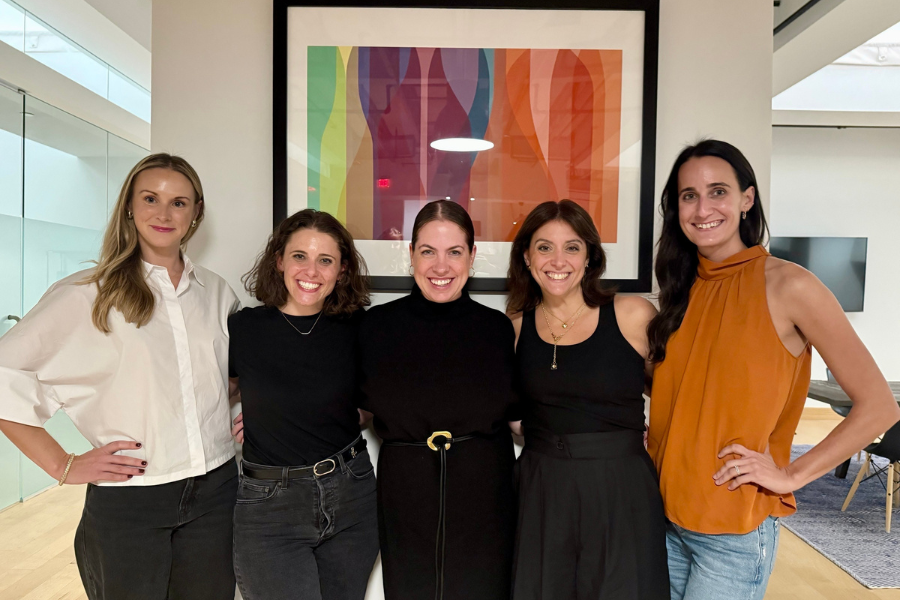
Image courtesy of Moxie Communications
Moxie is marking its 15th year alongside major leadership expansion — what prompted the decision to appoint your first-ever COO and elevate longtime team members into Partner and Managing Partner roles at this stage of growth?
Our 15-year anniversary comes at a major moment when demand is growing, the channels of influence are fragmenting, and AI is rewriting how brands are discovered. To keep winning, we need a leadership structure that matches the complexity of the work. Kate Connor is the ultimate COO to scale the business, and tapping Maggie Squires and Rebecca Weiser was natural - they are partners whose fingerprints are already on our biggest wins.
Bringing in Kate as our first COO is about creating the ideal environment where our teams can spend more time on bold ideas and less on operational friction. Elevating Maggie, Rebecca, and Corinna solidifies what’s been true in practice: they’ve been producing category-defining work for years, launched and exited brands that are now iconic, and turned fledgling brands into industry leaders. They’ve steered Moxie from a hungry startup to a 45-person team. But it’s not the size of the team that embodies a successful business; it’s our ability to have a lean, experienced team who can laser focus on programs that generate results.
We’re building an institution, structuring a foundation to scale with intention, keep setting new standards in creativity, and investing in AI, emerging formats, and multi-channel capabilities.
As communications evolves, how are you redefining the role of a modern agency to balance operational excellence with creativity and strategic innovation?
I’ve been working in PR for over 20 years, and my thesis on what a modern agency should be has remained constant. Public relations quite literally means the ways a brand engages and builds relationships with its stakeholders, and unintended audiences as well. In my mind, that’s always been about multiple tactics, from pitching stories to reporters and creators, to creating content, to internal communications to galvanize and inform employees. Focusing on just one thing, like a founder’s direct channel communications, works when brands are resource-constrained. But if you truly want to build public relations muscle, it’s about staging a 360-degree approach.
The nature of that work is changing dramatically with new technologies available. For us, that doesn’t mean replacing our team with AI; it means empowering them with it to be able to do more deeply human work. I’m not psychic enough to start making any Polymarket bets on when AI generated content will entirely replace the work of reporters and creators, and quite frankly, I don’t know that I want to be around when that time comes. Work is fun, motivating, and fulfilling when humans know and feel it’s been accomplished through their own grit and smarts.
Relationships grounded in trust that are mutually beneficial, bringing value for both parties, will continue to be the essence of PR for as long as we have reporters, editors, creators, and pundits informing and educating the public. I don’t know that AI-produced work will ever beat the thrill of knowing you’ve brought a great story to a great outlet and driving conversation as a result.
So with all of that in mind, we are designing the business around operational rigor that’s not the opposite of creativity; it’s the precondition for it.
We’ve elevated leadership around operations, client success, and growth. Kate is focused on systems, workflows, and infrastructure; Corinna is focused on how we deliver and drive client outcomes; Maggie is leading on service innovation and new tools adoption, and Rebecca is anchored in the human team engagement and skills development.
One shift that we can pinpoint is abandoning channel-first thinking in favor of discovery ecosystems. PR, social, influencer, partnerships, and emerging formats that go beyond vanity metrics and are structured to work together, built to move fast, and measured on the outcomes that actually matter to stakeholders.
You’ve spoken about AI search optimization and visibility in LLMs and answer engines — how should brands be thinking about their communications strategy differently in an AI-driven discovery landscape?
The new homepage for brands is an AI-powered search, with LLM answers. Brands can assume that the first public touchpoint now is summarized in an LLM answer, not just their website or a press hit. For now, PR is still excellent for top-of-funnel awareness, but we’re asking brands to think about their “answer equity.” How do they consistently show up as the most credible answer to the questions that matter?
Our AIO Readiness Program is about generating content that is both deeply human and extremely machine-readable. In practice, that involves reframing communications strategy around sharp POVs and clean narrative architecture. As a brand, you are communicating to models, not just journalists and customers, and teams. That impacts how you describe your category, your competitors, and how your leadership talks about your mission.
What practical steps can brands and marketers take today to improve visibility across AI platforms, search engines, and emerging discovery channels?
I love this question because there are elements they can implement now:
Discipline is essential in a world where attention is scattered, and AI startups can raise billion-dollar seed rounds and instantly flood the zone, the brands that win are the ones that are ruthlessly focused and easy to comprehend.
With the launch of your new website and this leadership evolution, what does the next chapter look like for Moxie — and where are you placing your biggest bets for growth?
Our next chapter is about helping ambitious brands stay comprehensible in an environment that looks totally different from five years ago, because we need to resonate with both people and machines.
Our new website addresses questions we get asked all the time, are you an agency for lifestyle brands? Do you work with enterprise tech companies? Are you better with consumer startups or b2b? The answer is we do all of the above, and we do it because our team thinks differently, expansively, and cleverly. We are smart enough to deeply entrench ourselves in several sectors, but bold enough to pop out of echo chambers and reach broadening targets. We are built to turn brand stories into cultural conversations and AI-era visibility.
As for bets, we’re going deeper in sectors where we’ve helped build category leaders from retail and commerce, to healthcare and wellness, fintech and future of work, to venture funds and AI agents.
Our team has always been our unfair advantage, and we’re investing in our people. This leadership evolution creates space where top-tier talent can do the best work of their careers, with clear pathways to grow from running accounts to actually helping run the firm.