For a brand that has spent the summer building recognition in the Hamptons, Labor Day should prompt an important question: How will those relationships continue to build into the fall?
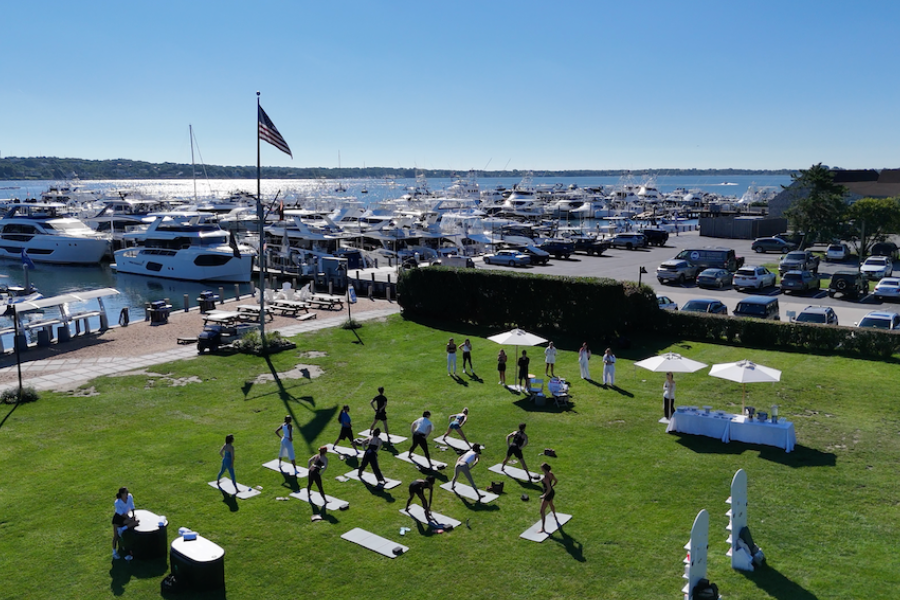
As the founder of East End Taste and a year-round Hamptons resident, Vanessa Gordon sees a strong opportunity for brands to remain present out east as the season changes. Over eight years of producing culinary gatherings, wellness experiences and brand activations in the Hamptons and Montauk, she has learned that brands that can contribute meaningfully to those gatherings and experiences have a strong basis for an event.
Courtesy East End Taste
Plan around the audience that will actually be there
The Hamptons should never be treated as a single guest list. Year-round residents, second homeowners and weekend visitors have different schedules, interests and relationships with the region. Before selecting a venue, identify whom the event is intended to serve and confirm when those people expect to be in the area.
A weekday client dinner could make sense for a locally based business community. A private shopping experience intended for weekend homeowners requires a different invitation strategy. A brand seeking editors based in New York City needs to establish whether the experience warrants travel and build that travel into the plan.
A carefully selected fall date may offer fewer competing invitations and greater venue flexibility. Validate those possibilities against the actual calendar. The Hamptons International Film Festival, for example, runs October 2–12 in 2026. Cultural programming and holiday weekends deserve particular attention when assessing guest availability, accommodation and competing commitments.
I would begin with conversations with a core group of intended guests and local partners. Their availability is more useful to the planning process than a broad assumption about the off-season.
Courtesy East End Taste
Give the brand a role in the season
The strongest concepts connect what a brand offers with something guests already want to do. For fall and holiday programming, I see particular potential in wellness and beauty, food and beverage, home and entertaining, and fashion and accessories.
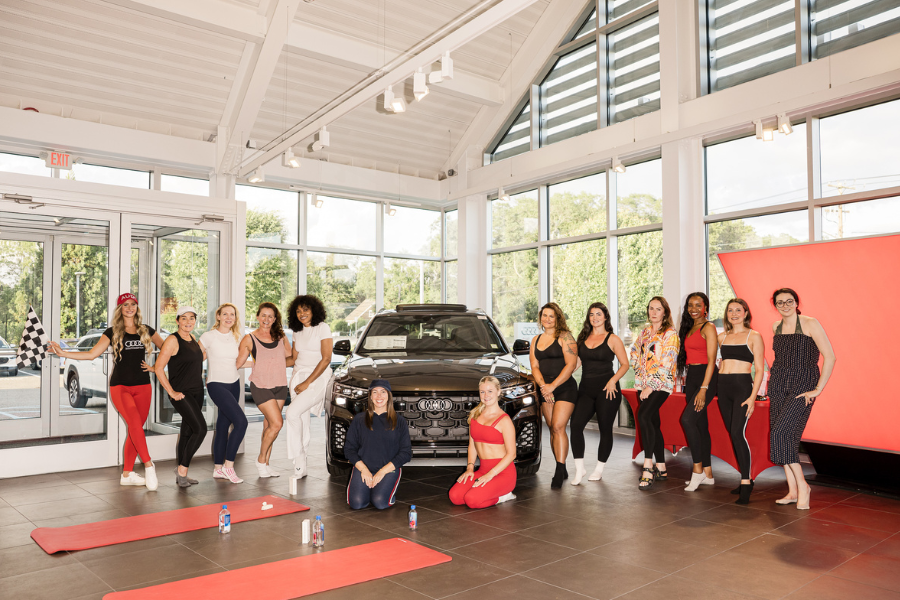
This summer, East End Taste served as the exclusive event production partner for wellness events at Porsche Southampton and Audi Southampton. At Porsche Southampton, the program brought movement, wellness and conversation into the showroom, creating a setting where guests could engage with the brand through a shared interest.
That summer experience offers a useful principle for fall planning: an existing brand space can support a broader relationship with its customers. A dealership, boutique or hospitality property could host an expert-led wellness session followed by a relaxed client gathering. The programming should have a credible connection to the brand and provide enough time for individual attention.
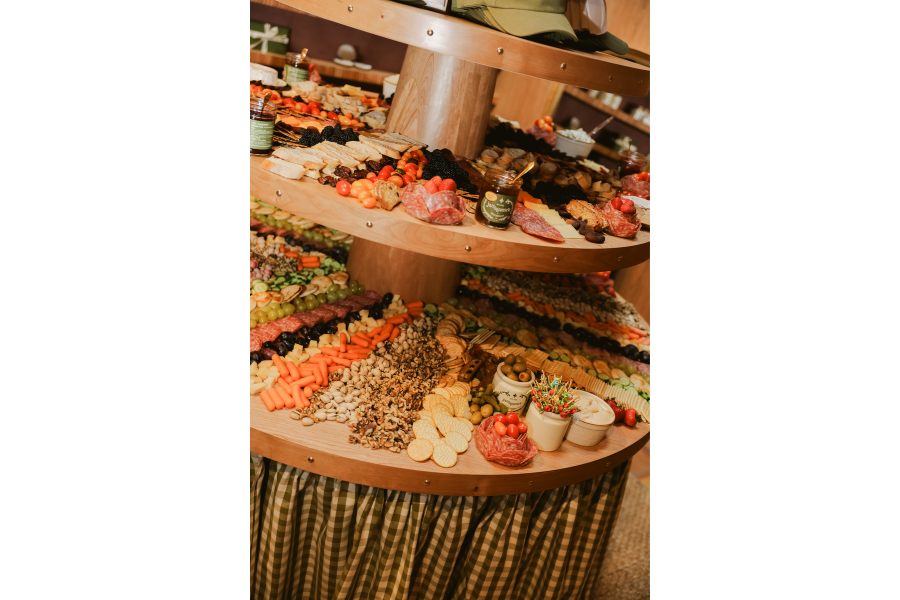
Food and entertaining offer an equally direct seasonal connection. For Jamagansett, we created a grazing installation for the VIP preview evening that presented its preserves alongside cheeses, cured meats, seasonal produce and breads. The product became part of an experience guests could taste and discuss. We also helped support the community event day with mini activations throughout the store that complemented the guest experience for everyone of all ages. One activation we created, for example, was a ‘Create Our Next Jam Flavor’ art station.
Applied to a holiday event, that approach could become a chef-led demonstration on assembling a hosting board, hands on cooking or pastry making class sponsored by a brand and accompanied by pairing guidance and a giftable selection. Guests leave understanding how the product fits into an occasion they are already planning.
Courtesy Madeline Javier
Make intimacy deliver something valuable
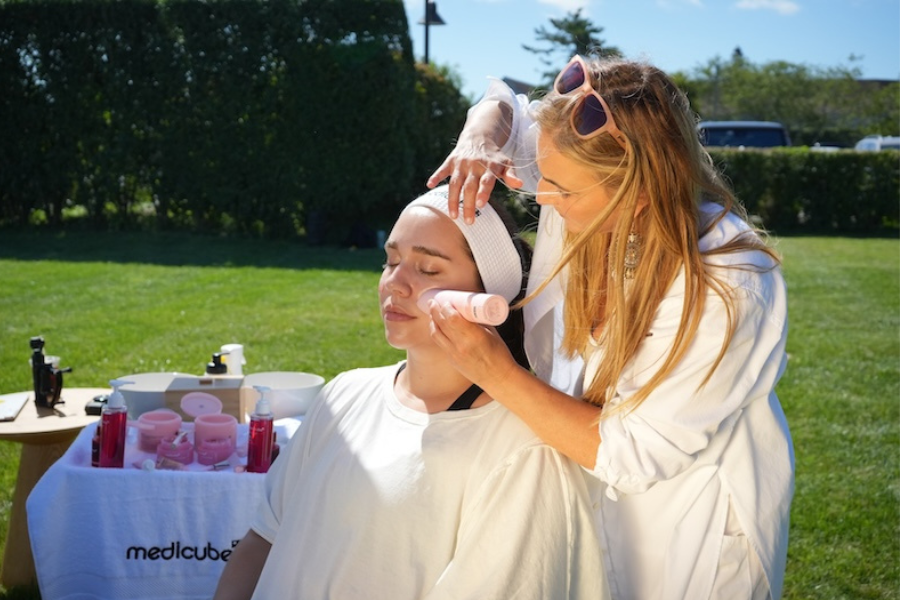
A smaller event earns its value through what the format makes possible: a longer conversation, direct access to an expert or a service tailored to the individual.
For a fashion or accessories brand, a gifting suite could offer appointments with a knowledgeable host, personalization or embroidery, and clear collection or delivery arrangements. For a home brand, a private dinner could demonstrate how its pieces work together on a holiday table. A client-appreciation gathering could give senior team members time to speak individually with the people they invited.
The operational details determine whether that promise holds. If personalization takes time, schedule it so guests can enjoy the event while their item is prepared. If a chef is central to the concept, allow for conversation without disrupting service. Plan the guest count around the level of attention the team can consistently deliver.
Courtesy East End Taste
Build a complete fall production plan
Venue access is valuable when the space can support the entire experience. Confirm operating dates, staffing, indoor capacity, kitchen access, lighting and transportation before committing to the concept. An attractive outdoor setting still needs a fully developed plan for colder weather.
There are established settings for this work: Gurney’s Montauk, for example, offers meeting spaces, private dining settings and corporate retreat options. The task is to match the venue’s actual capabilities to the guest experience and budget.
My business partner, Edberg Espinoza, and I rely on longstanding relationships with local private chefs, hospitality teams and production partners. In seasonal planning, involve those collaborators early. Their knowledge helps determine what can be delivered well on a particular date, including where additional staffing or equipment will be required.
Work backward from the holiday story
For communications teams, the event date and the editorial deadline need to be planned together. Confirm the timelines of the publications and creators you hope to engage before deciding when an activation should take place.
An October entertaining experience could support a holiday hosting story if the relevant editor is still accepting material. A December client dinner may be better suited to immediate digital coverage, customer communications or relationship building. Determine those uses in advance.
Give journalists something specific to investigate: a founder’s perspective, a product development story or access to a chef with useful seasonal advice. Prepare accurate product information, availability, pricing and captioned photography. Consumers may need shopping assistance or a practical takeaway; journalists need the facts and access to assess a story independently.
That distinction should shape the invitation, programming and follow-up. Editorial coverage remains the publication’s decision.
Courtesy East End Taste
Connect the event to the next conversation
Before approving an activation, I want to know what should happen afterward. A tasting might lead to a holiday order. A product introduction might prompt an appointment. A client dinner might open a conversation about the coming year.
Assign responsibility for that follow-up and agree on the measures that matter. Track relevant inquiries, appointments, repeat participation and documented business outcomes alongside attendance and content reach. Each tells a different part of the story.
A Hamptons strategy can progress from summer introduction to fall engagement and holiday appreciation, with each experience giving people a reason to reconnect. For brands willing to invest in that continuity, the months after Labor Day deserve their own objectives, creative thinking, marketing plan, and budget.